
Field Notes exhibition
Territorial acknowledgement
This exhibition takes place on Treaty 7 territory in Southern Alberta, the traditional lands of the Blackfoot Confederacy—Siksika, Kainai, and Piikani—as well as the Tsuut’ina First Nation and the Stoney Nakoda Nations, and within a region that is also home to the Métis Nation of Alberta. Situated within this place, the exhibition recognizes land and soil as living relations shaped by long-standing systems of governance, care, and responsibility, and acknowledges that the histories of treaty-making, settlement, and ongoing land struggle continue to shape how soils are known, used, and contested today. Grounding this work in Treaty 7 territory affirms the importance of place-based accountability and attentiveness to the specific histories and responsibilities that accompany working with land and soil here.
Exhibition details
Dates: January 30–April 4, 2026
Opening Celebration: Friday, January 30, 3–5 pm
Venue: Dr. Margaret (Marmie) Perkins Hess Gallery
Location: W600, Centre for the Arts, University of Lethbridge, 4401 University Drive, Lethbridge, AB
Gallery Hours: Monday–Friday 9 am–4:30 pm and Saturday 11 am–4 pm, unless otherwise noted. Closed Sundays and holidays.
Exhibition description
Curatorial Statement
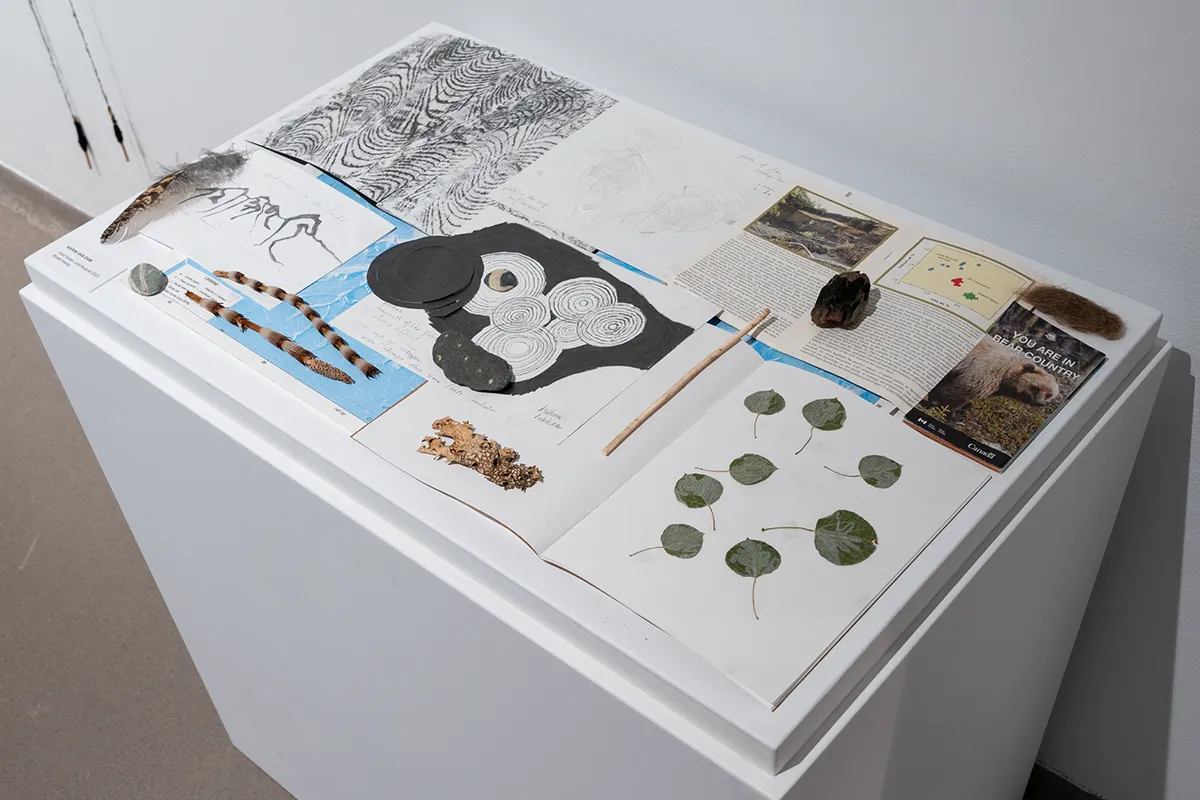
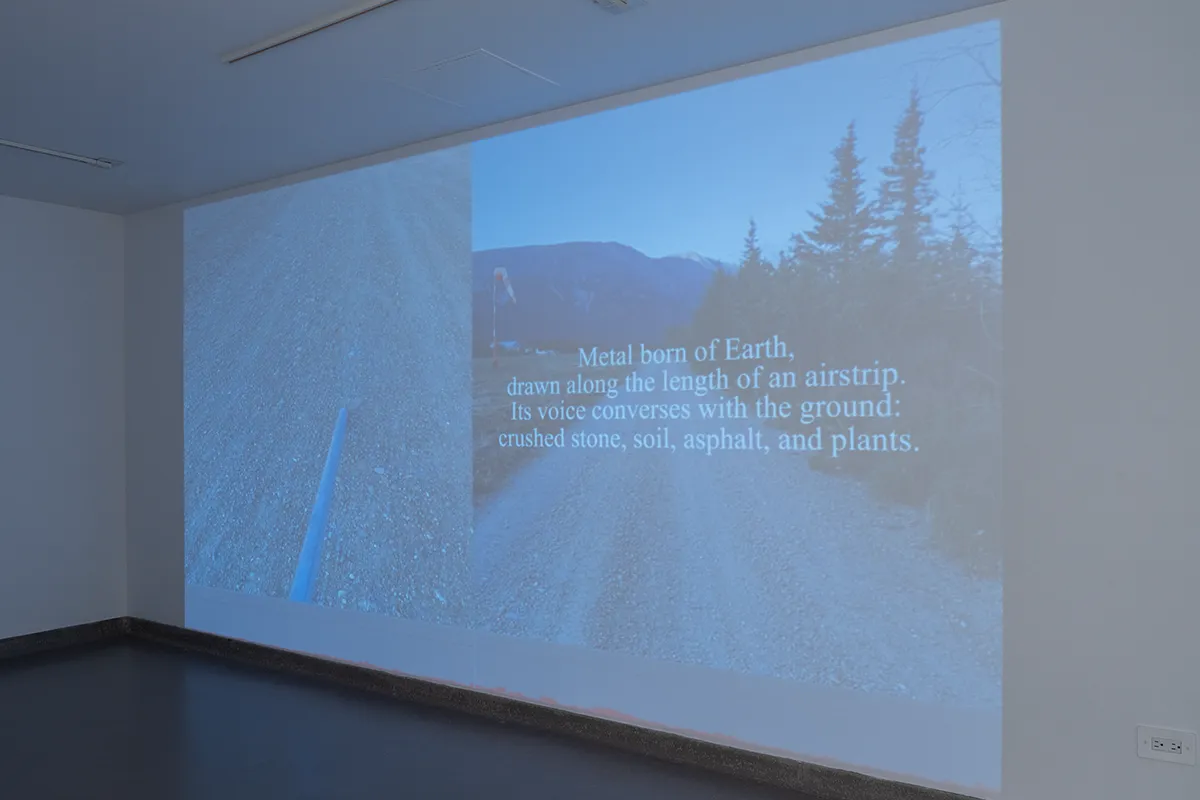
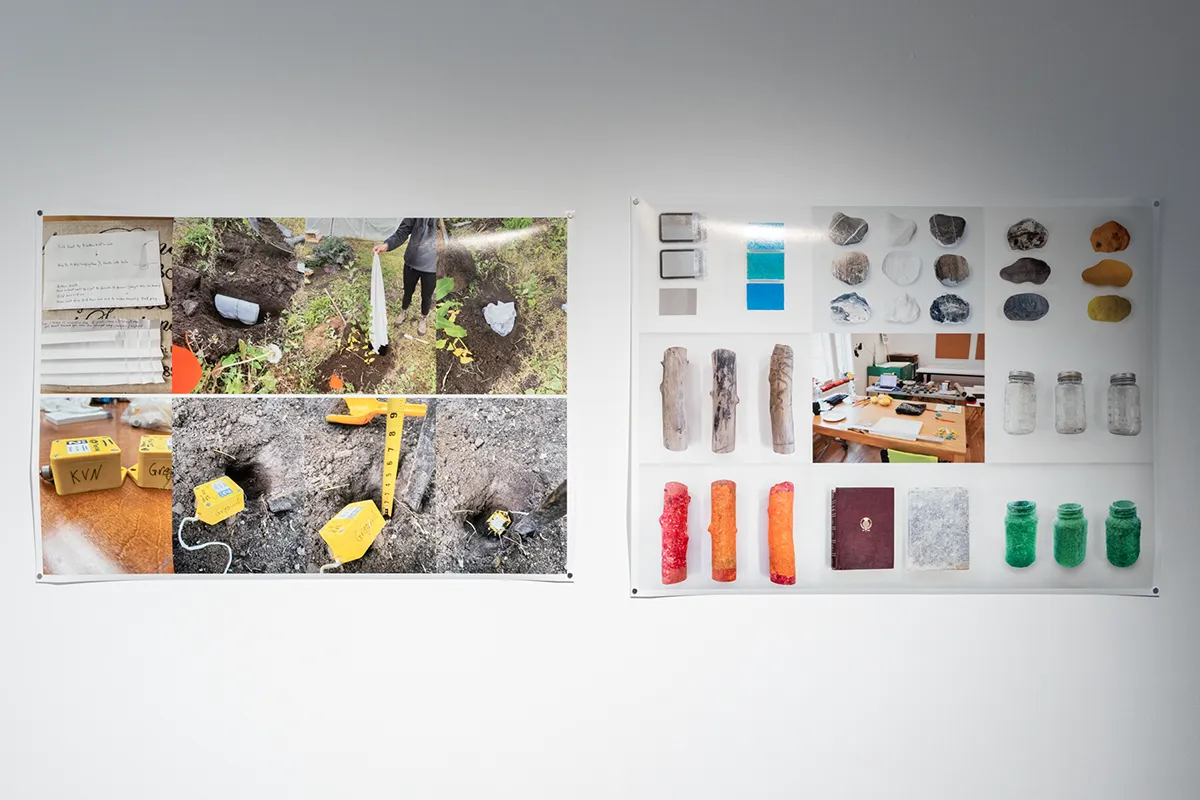
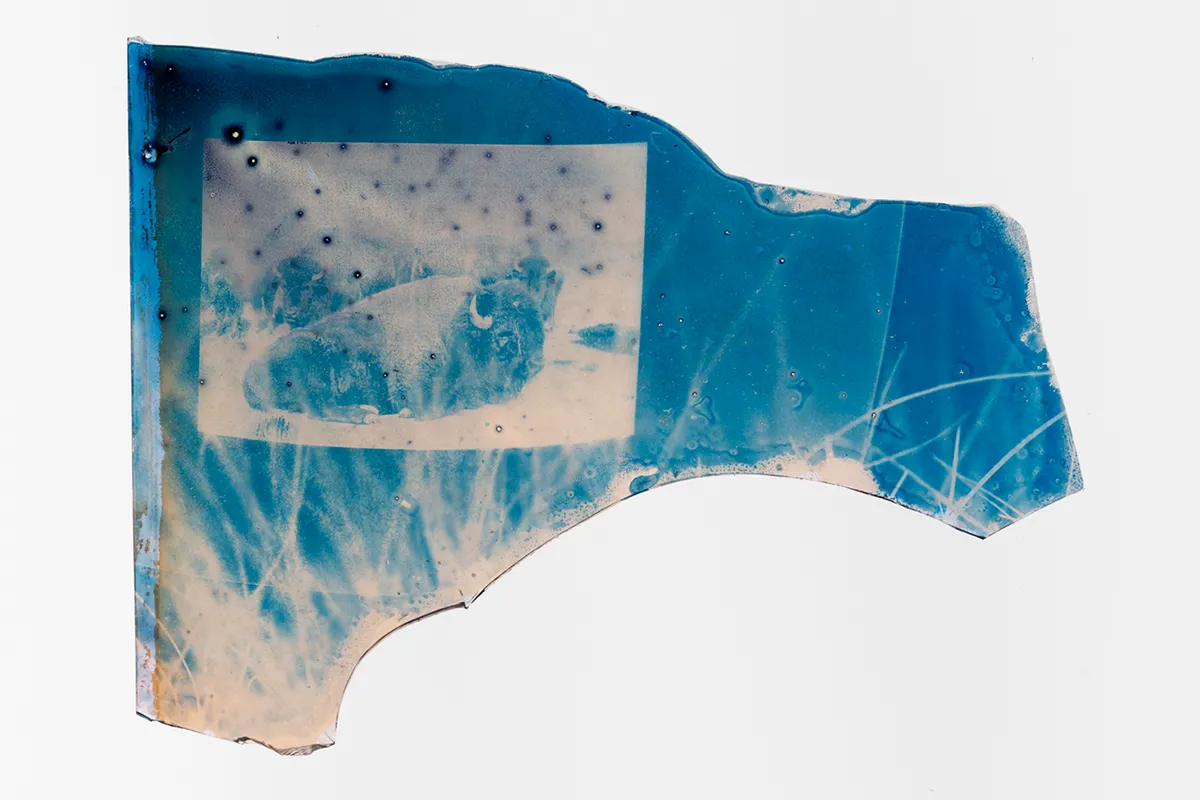
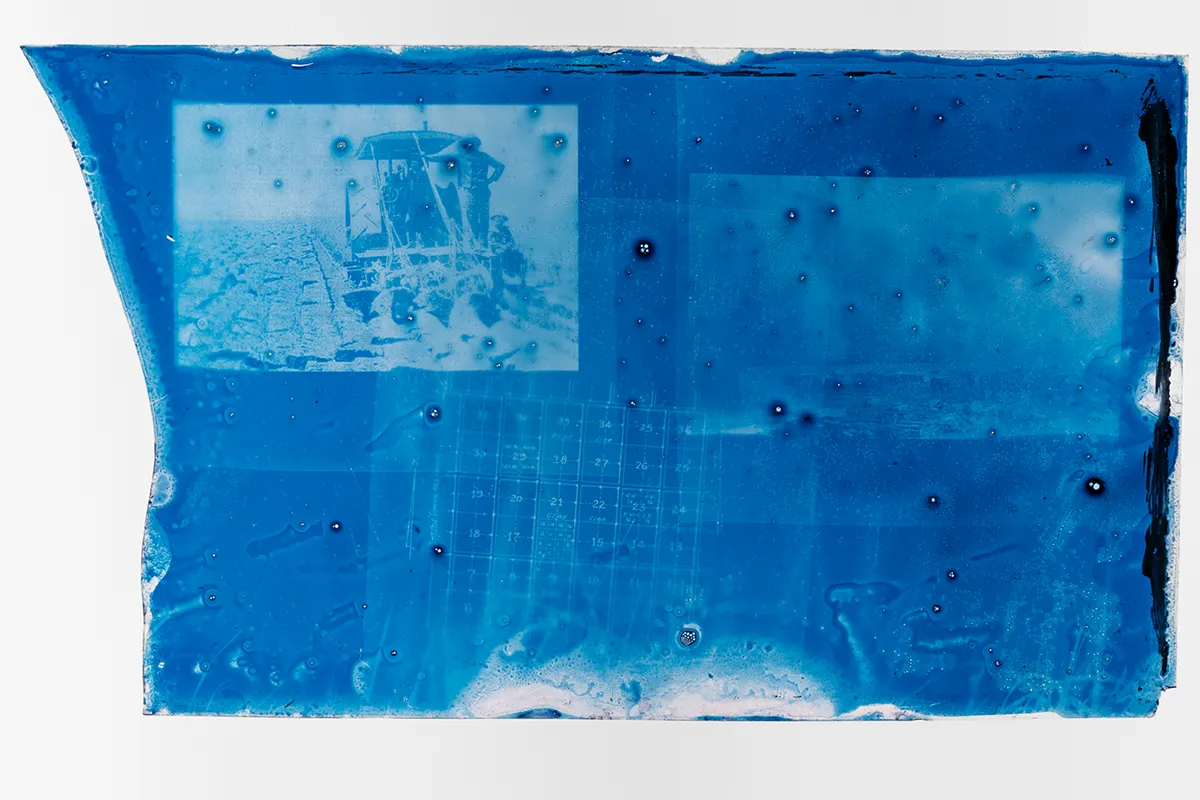
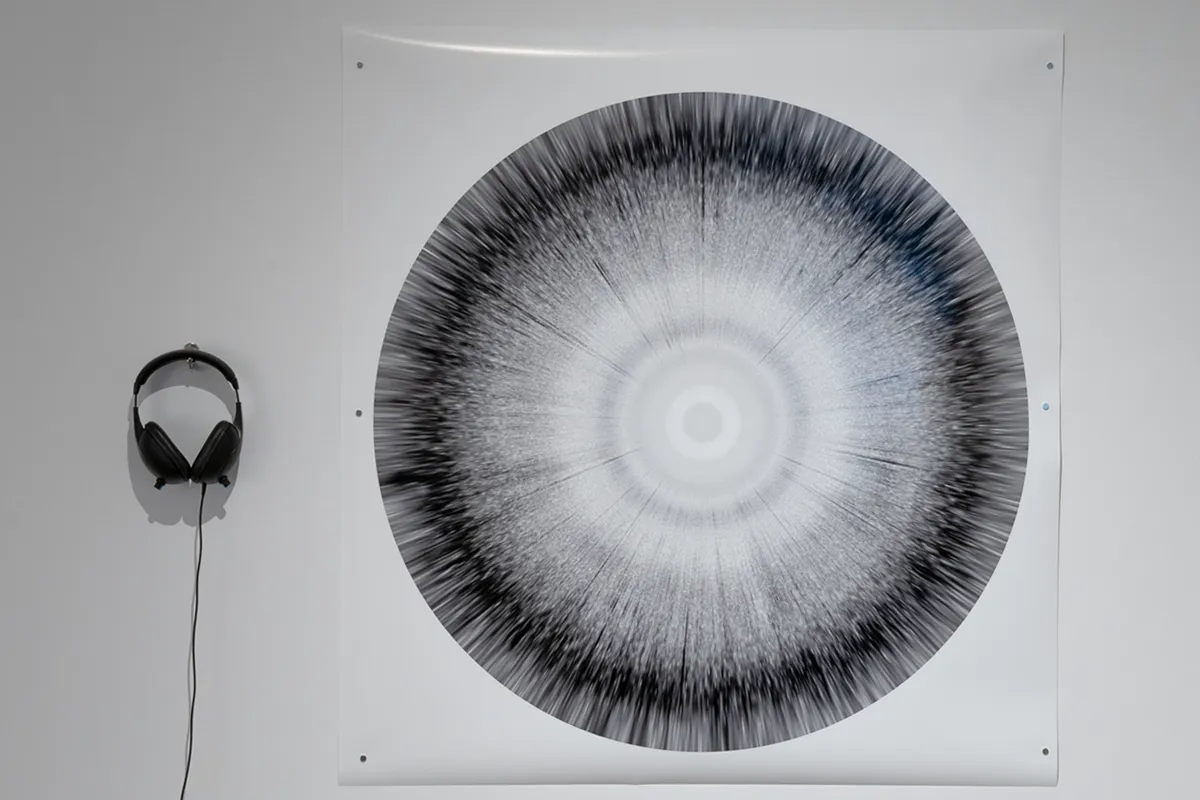
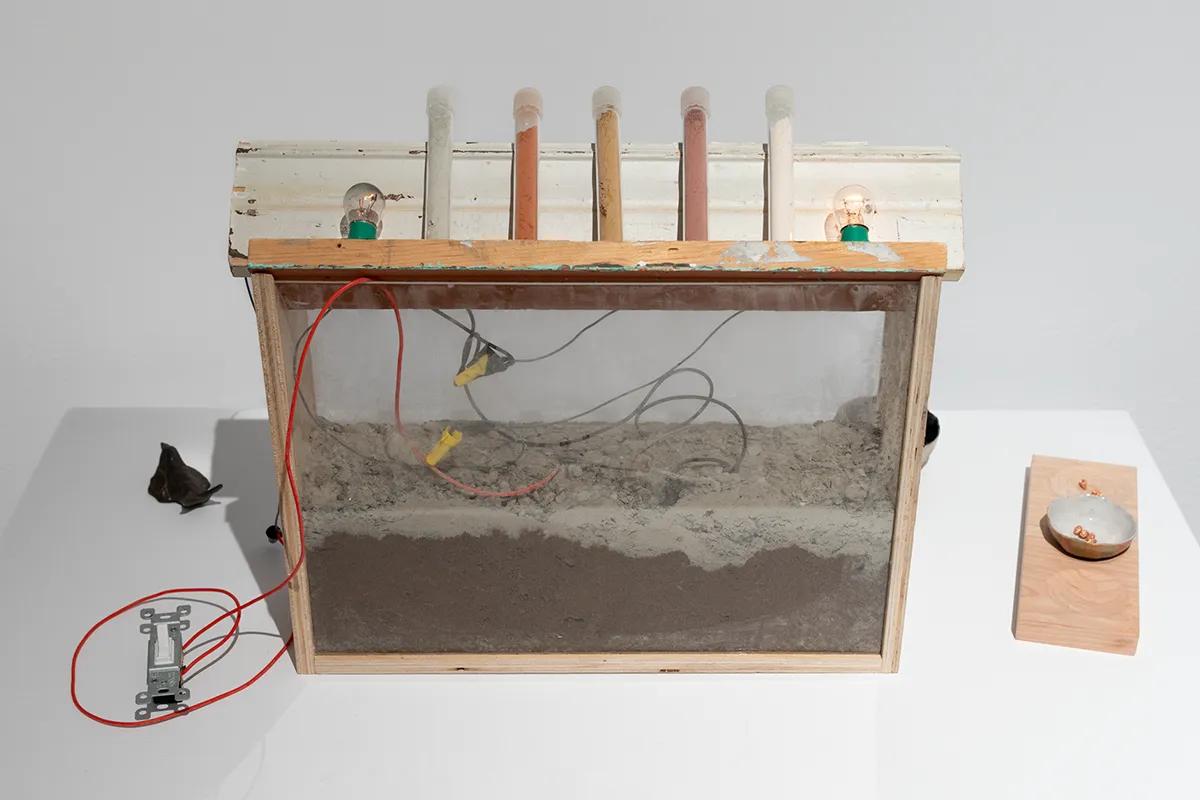
(Re)mediating Soils: Field Notes is the result of a collaboration between the University of Lethbridge Art Gallery, the Yukon Art Centre, the Woodstock Art Gallery, and the McMaster Museum of Art. This is the first exhibition in a series that will be presented across Canada. Funded by a SSHRC grant, the project includes residencies in Treaty 7/Alberta, the Yukon, and Ontario that bring artists, scientists, cultural scholars, gardeners, and farmers together to focus on soil as a relational medium.
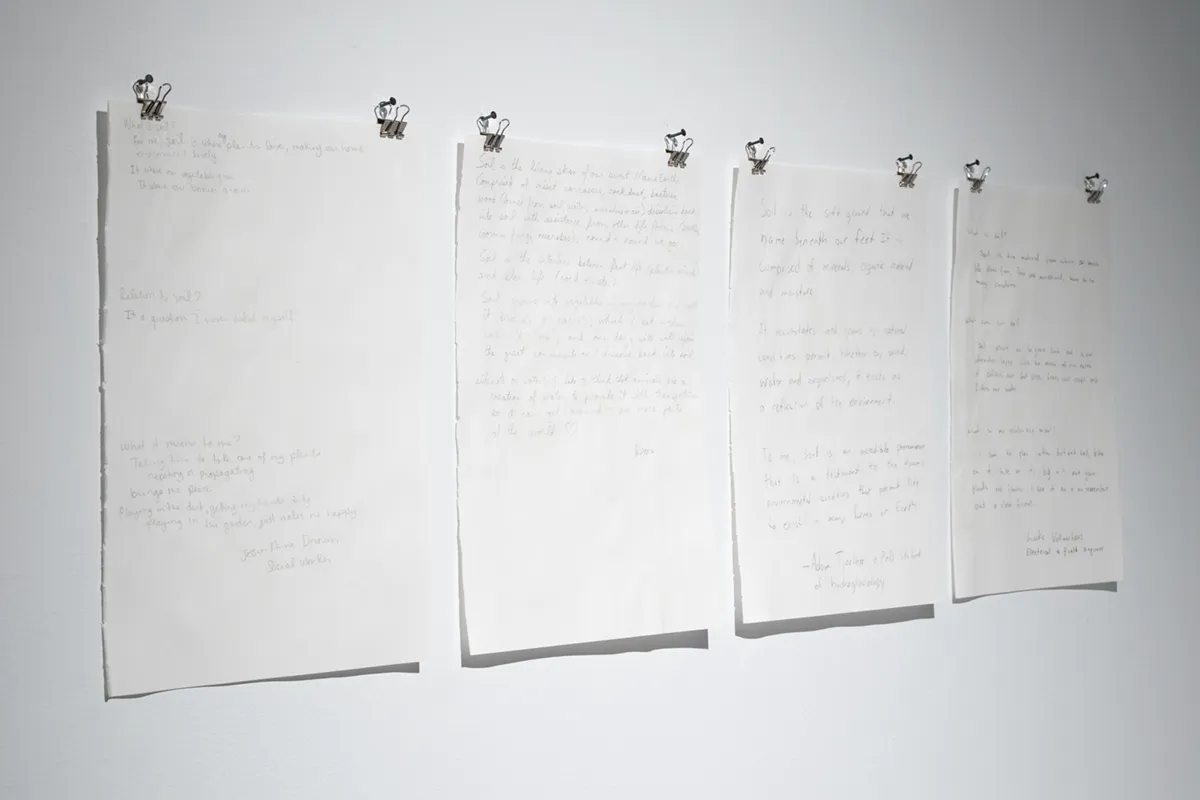
Soil is so much more that just dirt, soil is a process – it is the residue of actions across periods of time, and it is necessary for the future of this planet. As an avid gardener, I know that one derives pleasure and gleans so much information from digging and studying the various layers. Soil is home to microorganisms, fungi, insects, and plants, all of which make life on earth possible.
The (Re)mediating Soils research project arises from understanding that there is much in common between art and soil: both encourage us to slow down, to observe closely, and to appreciate the small details. We are also aware that soil isn’t flashy, it doesn’t demand respect nor benefit from charismatic species that grab the spotlight.
Our research team wants to spark interdisciplinary conversations and give soil the attention it deserves, and the four art galleries want to support artists making artworks that address, and play with, the ways soil and art intersect.
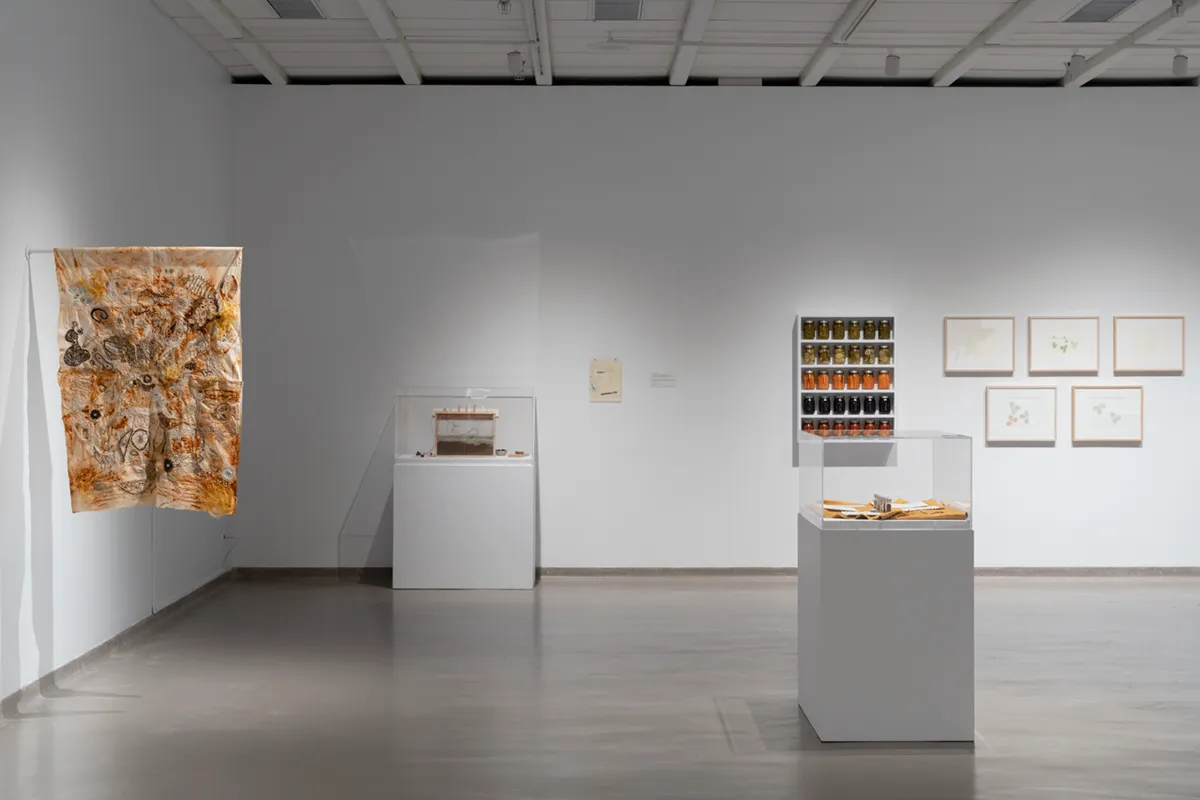
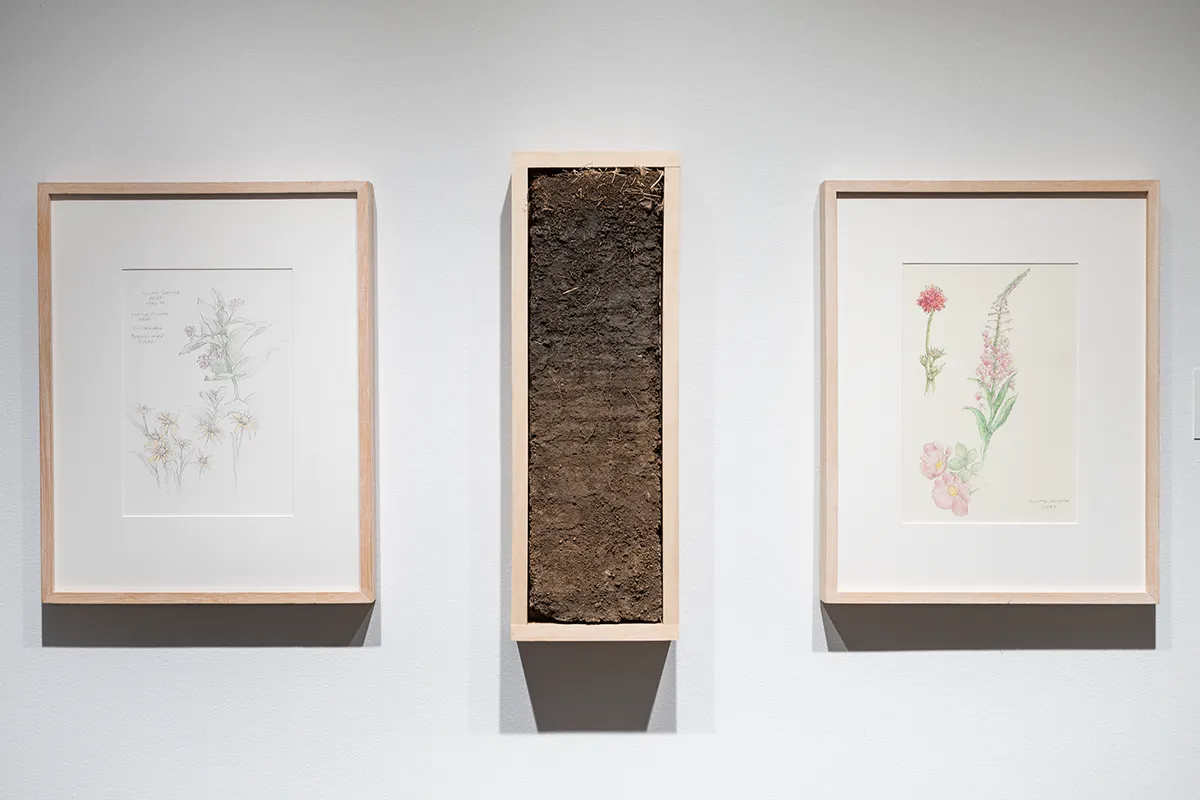
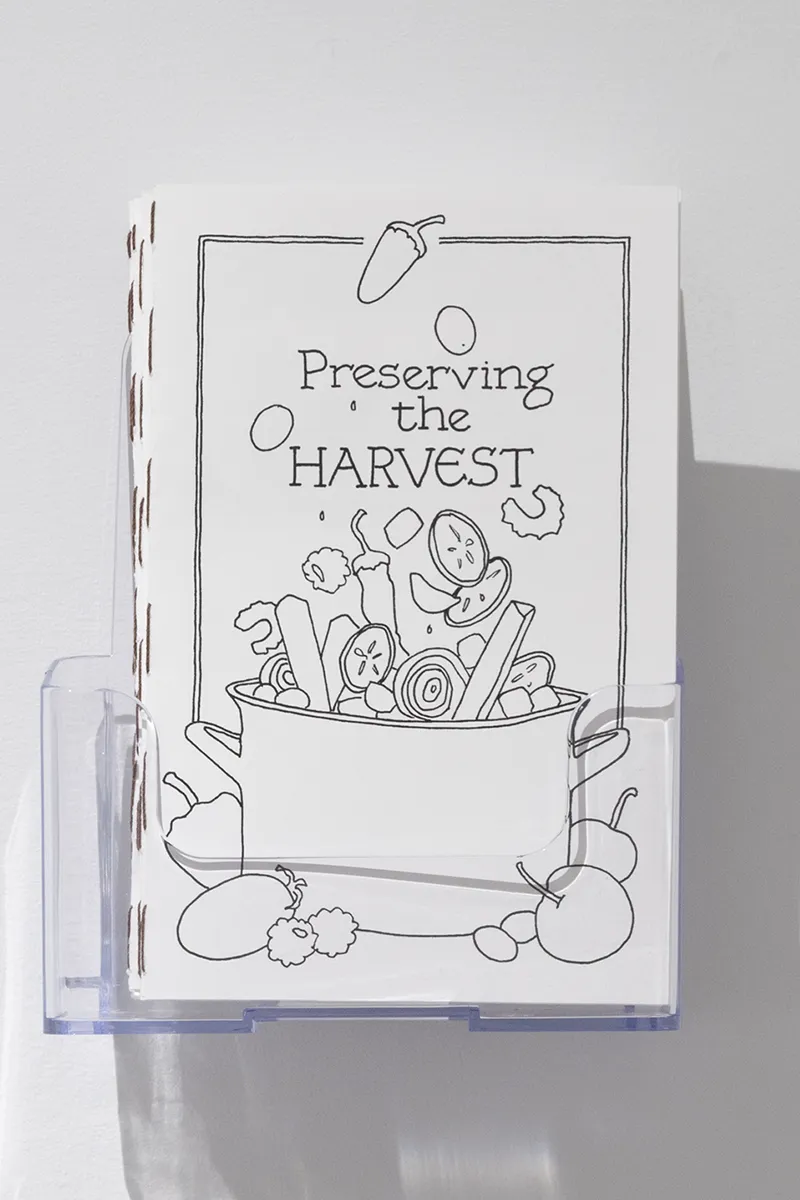
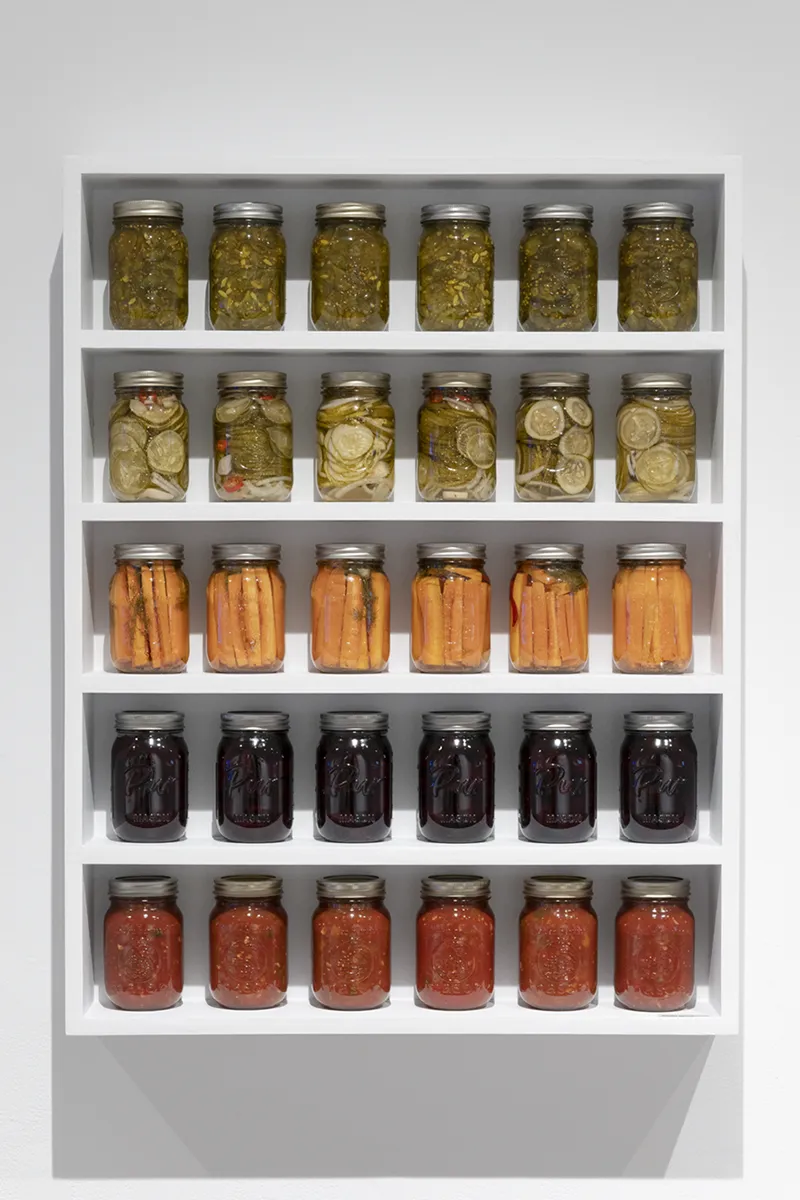
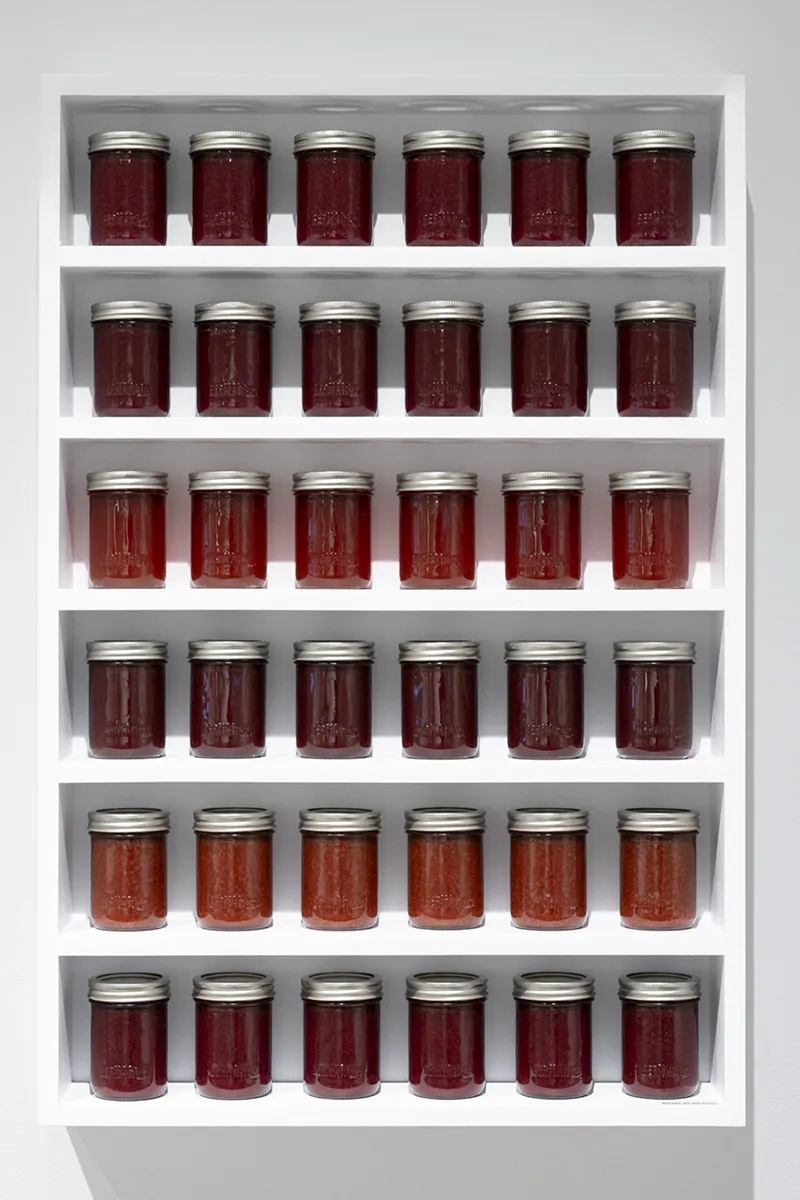
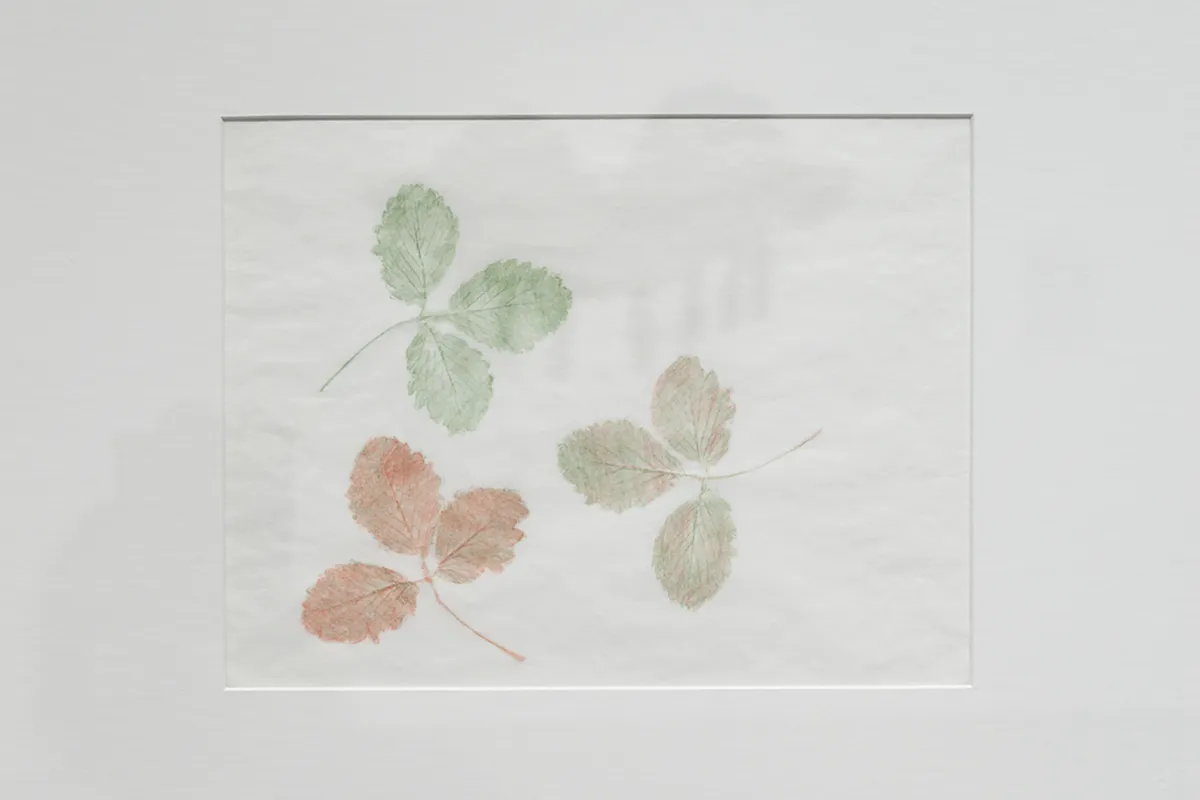
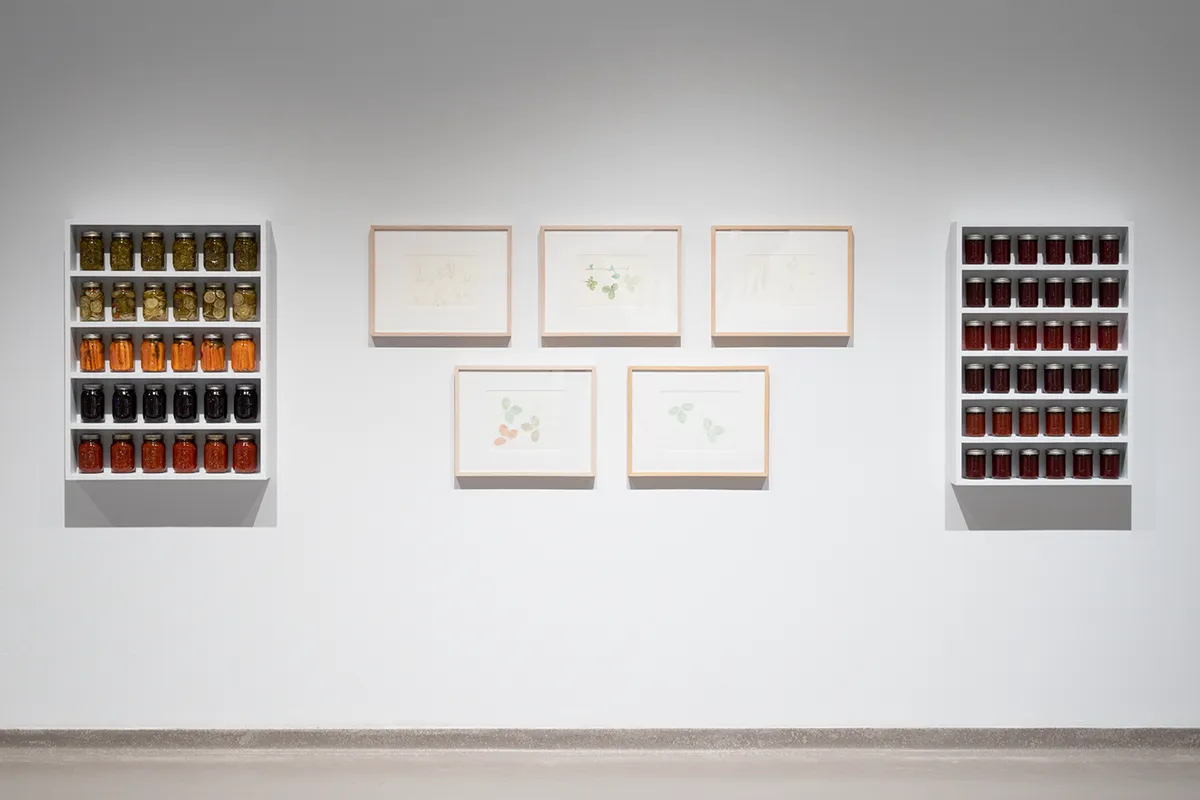
There will be some of the same artwork that travels to all the exhibitions in combination with custom installations for each location. For ULethbridge, Beany Dootjes is presenting jars of preserves with veggies, berries, and fruit from her urban garden and Api’soomaahka is sharing his expert knowledge about Blackfoot land, minerals, and plants.
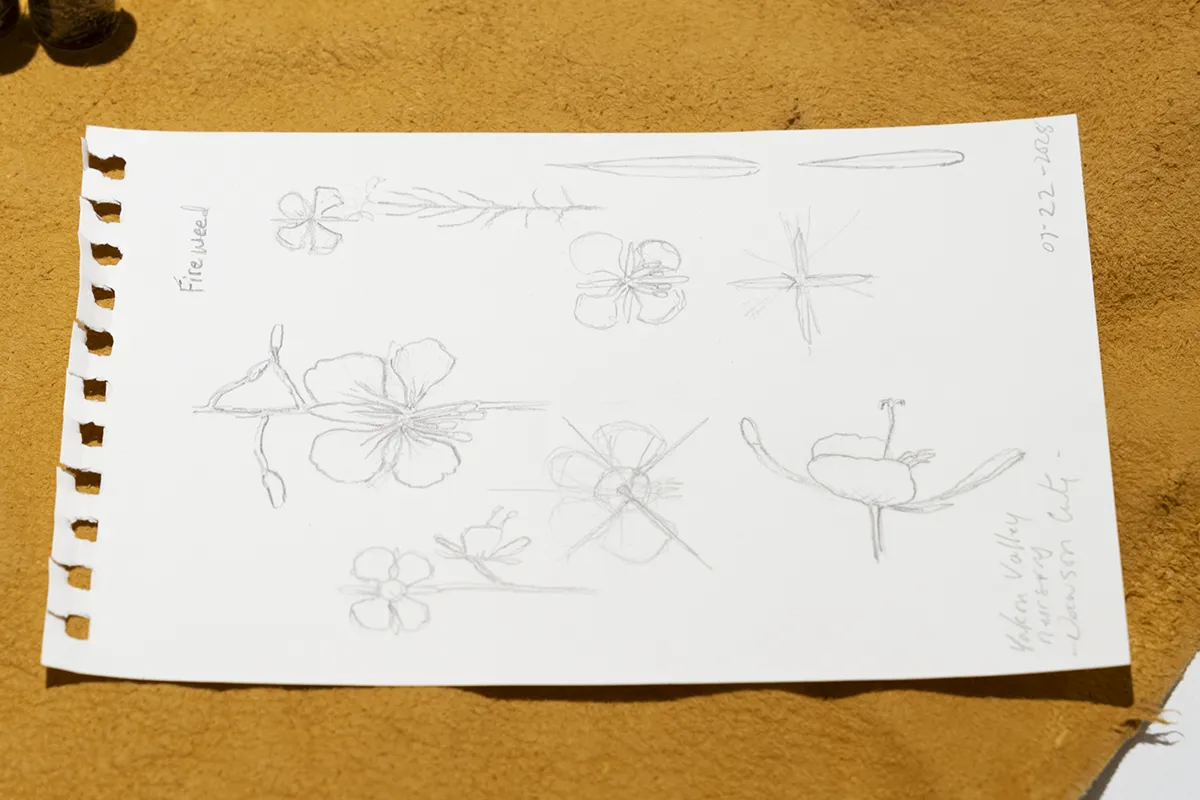
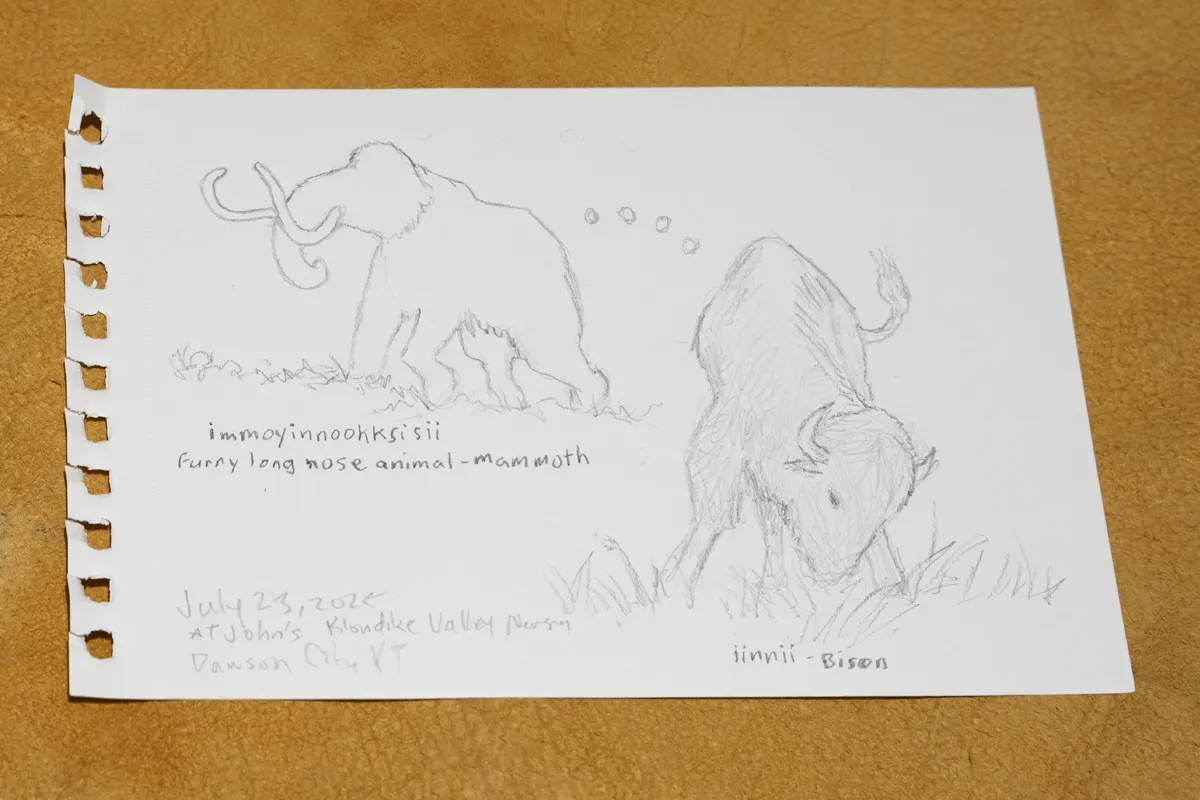
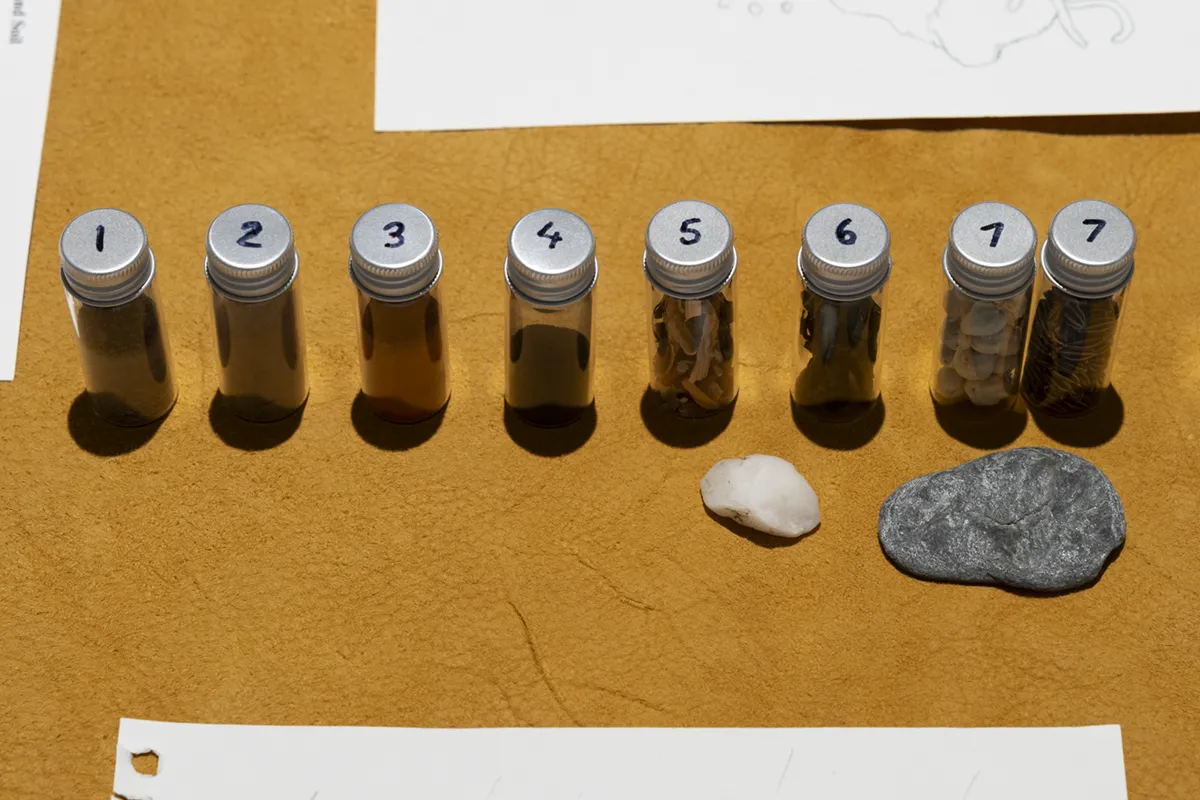
Exhibition photos
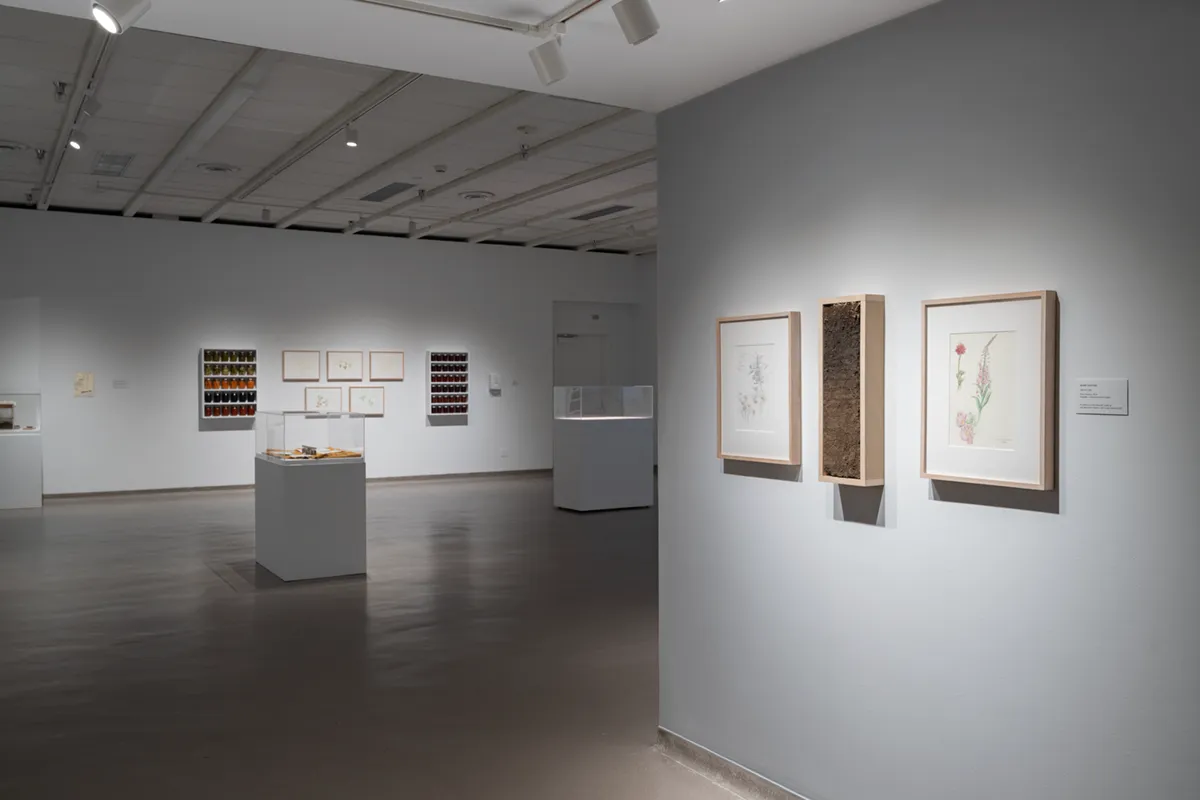
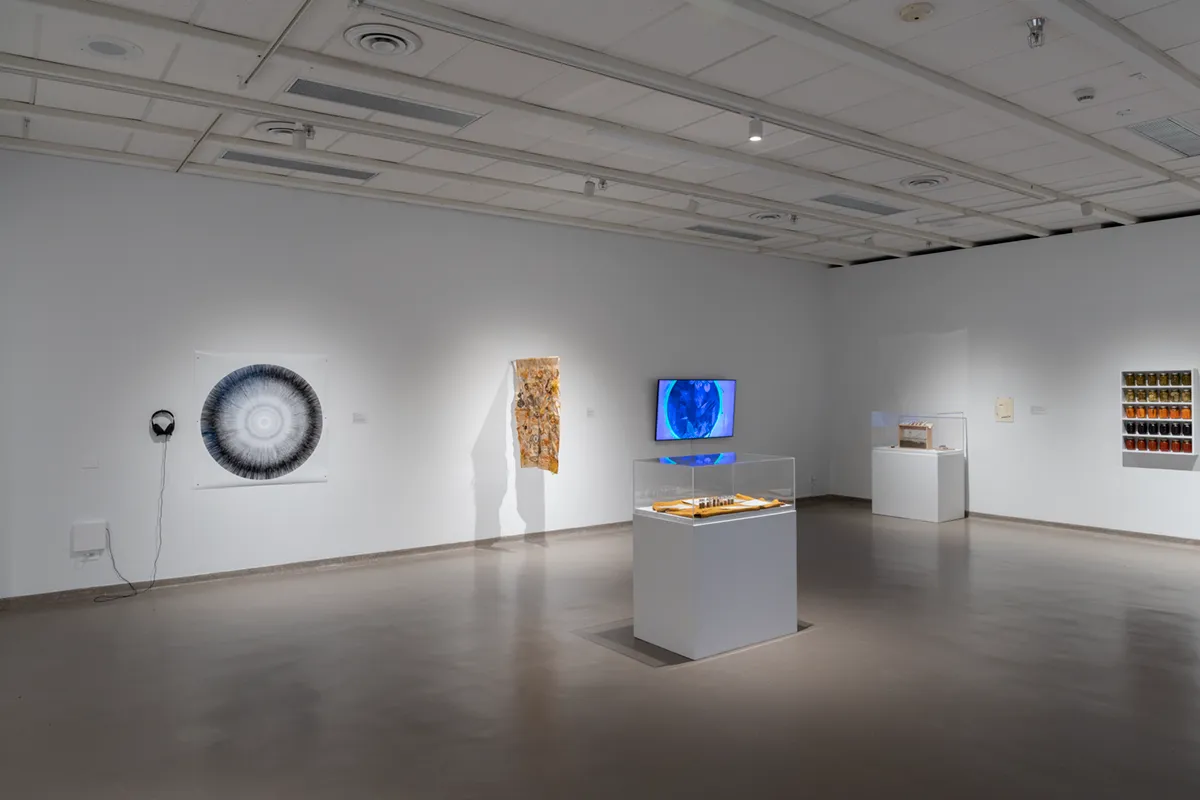
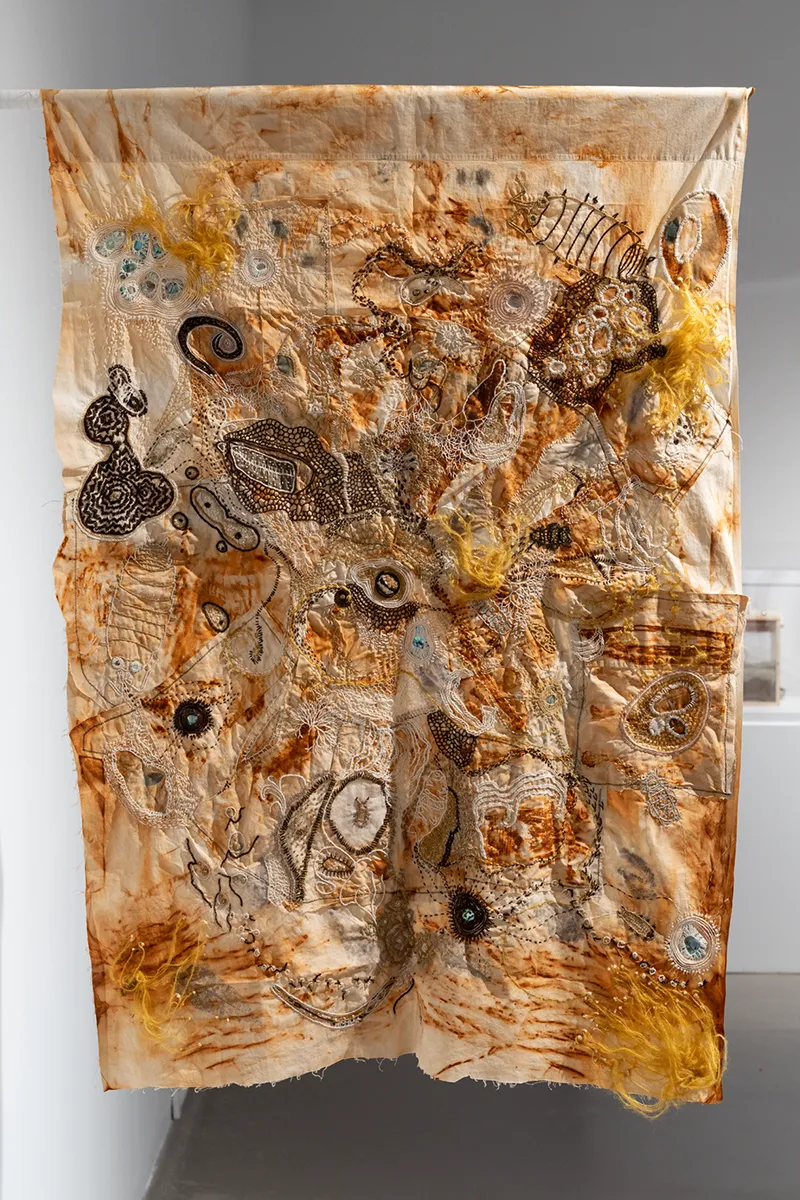
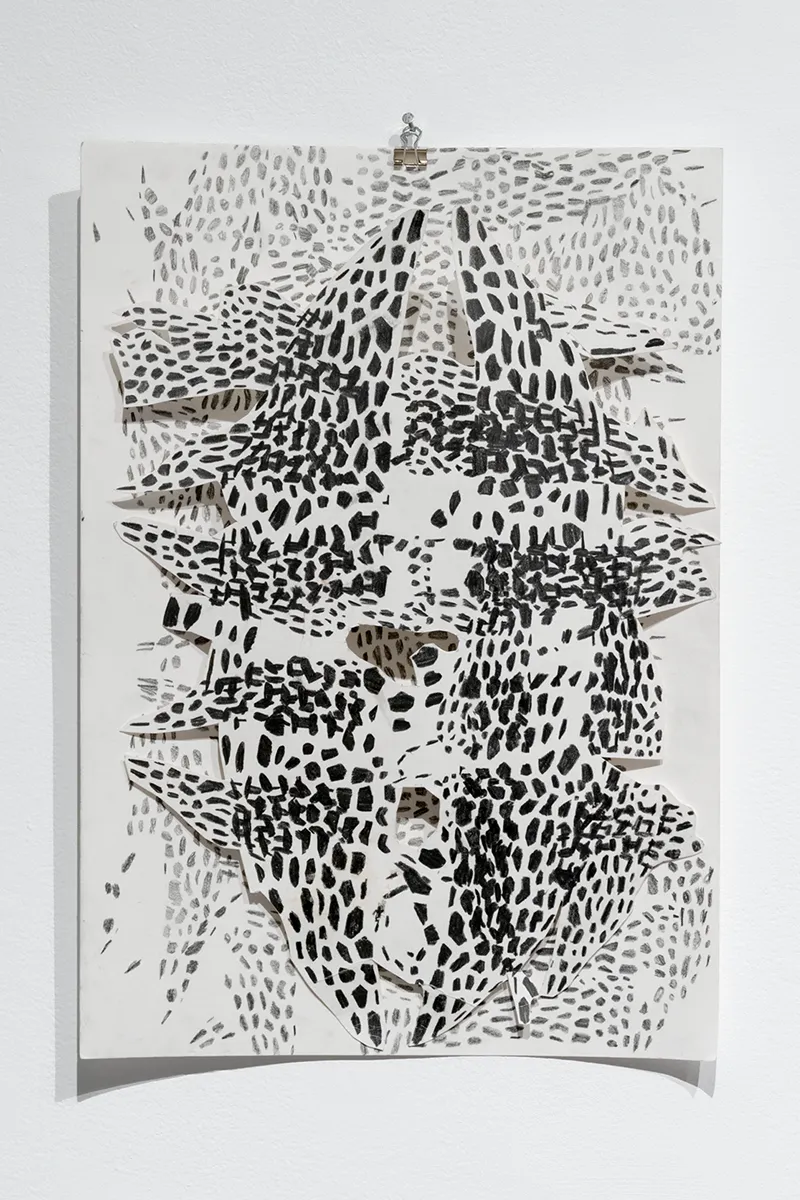
Credits
Project leadership
Katherine Lawless — Project lead
David Janzen — Co-lead; Artist
Josephine Mills — Co-lead; Curator
Artists
Api’soohmaahka (William Singer III) — Artist-in-residence (YT); Indigenous knowledge holder
Alana Bartol — Artist (AB)
Hannah Berger — Artist-in-residence (Coutts Centre, AB)
Beany Dootjes — Artist (AB)
Ed Gregorich — Soil scientist (ON); Artist collaborator
Mailey Horner — Artist-in-residence (Coutts Centre, AB)
Henry Janzen — Soil scientist (AB)
RL Martens — Artist-in-residence (Coutts Centre, AB)
Kara Matthews — Artist (AB); Lead gardener (Coutts Centre, AB)
Latifa Pelletier-Ahmed — Artist (AB)
Ed Pien — Artist-in-residence (Dawson City, YT)
Karin van Dam — Artist-in-residence (Dawson City, YT)
Michelle Wilson — Artist-in-residence (Whitehorse, YT)
Editorial, design, and communications
Akon Arok — Social media
Christa Avram — Editorial support
Lidija Sijacic — Graphic design and website development
External support
Kort Woycheshin — Exhibition photography
Special thanks
Special thanks to the staff at the University of Lethbridge Art Gallery for their support for this exhibition; to John Stoll and the staff at the Coutts Centre for Western Canadian Heritage for hosting the Alberta residency; and to John Lenart at Klondike Valley Nursery (YT) and Otto Muehlbach at Kokopelli Farm (YT) for hosting artists-in-residence as part of the Yukon residency.
Special thanks to Mary Reid, Mary Bradshaw, and Danielle Hoevenaars for their guidance and support in shaping the broader direction of the project, and for helping ensure alignment with funding commitments.
Funding and support
With thanks to our funders and supporters for making this exhibition possible, including the Social Sciences and Humanities Research Council of Canada (SSHRC), the Canada Council for the Arts, and especially the Soil Champions Committee (Soil Conservation Council of Canada).